
Biomimetic Dentistry
Biobases and Biomimetic Structural Reinforcement
Research Institutions
Clinical Collaborations
Contemporary restorative dentistry faces a critical challenge in the rehabilitation of teeth with significant structural loss. Although conventional particulate-filled composites (PFCs) have evolved in aesthetics and adhesion, their intrinsically brittle nature and low fracture toughness (KIC) severely limit clinical longevity in high-stress areas.
The natural tooth functions as a harmonious biomechanical system, where the rigid enamel is supported by resilient dentin. When this structure is disrupted by extensive caries or wide cavity preparations, the structural rigidity of the remaining tooth is drastically reduced, making the tooth susceptible to catastrophic failures.
Frequently, particulate restorations fail by allowing crack propagation that culminates in vertical root fractures, resulting in the irreversible loss of the dental element.
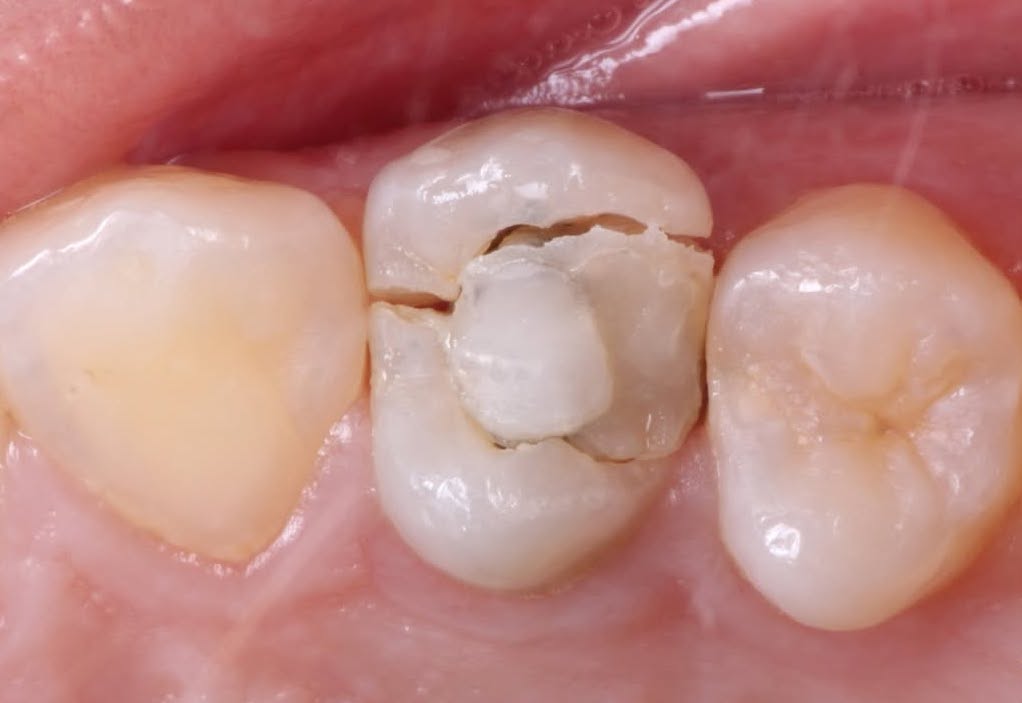
To overcome the brittleness of conventional composites, the science of Short Fiber-Reinforced Composites (SFRCs) represents a radical shift in restorative materials engineering.
Instead of the polymer matrix absorbing masticatory stresses alone, which favors microcracks and adhesive failures, a load transfer occurs to a system of discontinuous glass fibers with superior elastic modulus, stiffness, and strength.
This is the structural principle that underpins ThinkX's performance: acting as a biobase, i.e., a functional dentin substitute, capable of absorbing energy, dissipating stresses, and protecting the adhesive interface against overloads.
Evidence shows that reinforcement efficiency depends on a high volume fraction combined with an aspect ratio (l/d) greater than 20 — exactly the parameters present in ThinkX resins, whose fibers have l/d≈25:1, forming a dense, multidirectional network.
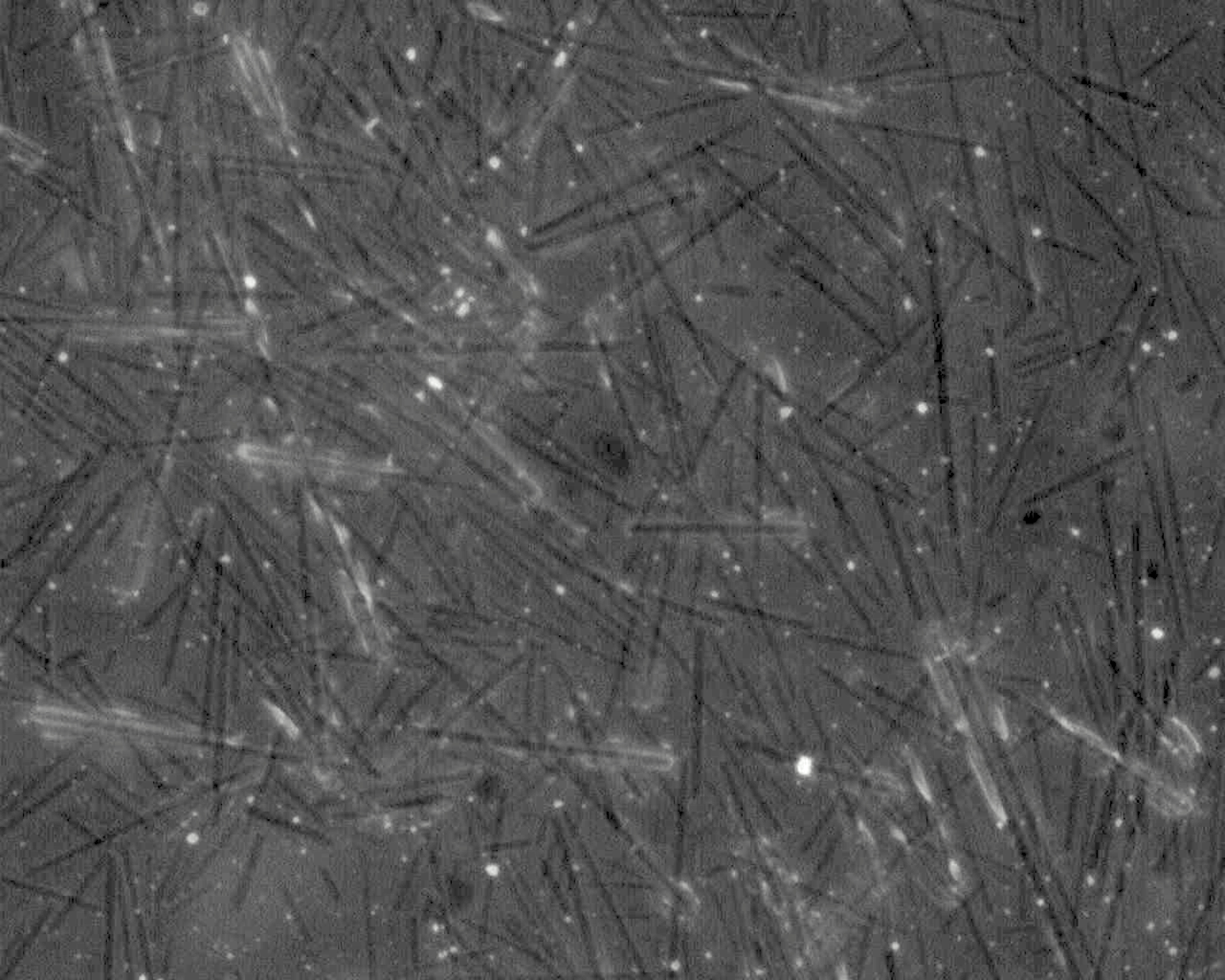
Just as in dentin, whose organic matrix is composed of collagen fibers forming a microarchitecture responsible for its ductility, intrinsic toughness, and stress-absorption capacity, ThinkX resins use a biomimetic fibrillar microstructure.
ThinkX's network of silanized glass fibers offers mechanics similar to dentin:
This structural biomimetics is what makes ThinkX the best contemporary dentin substitute in the restorative context, especially in weakened teeth or those subjected to high functional loads.
The ThinkX ecosystem is not just a new line of materials, but a structural solution for the dilemmas of modern restorative dentistry. While conventional composites rely on a densely particle-loaded matrix to resist wear, ThinkX technology introduces a three-dimensional glass fiber network that transforms the resin into a "biostructural" material.
This biomimetic approach allows the clinician to replace lost dentin with a material that not only fills the volume but restores the resilience and toughness necessary to protect the remaining tooth structure against catastrophic fractures.
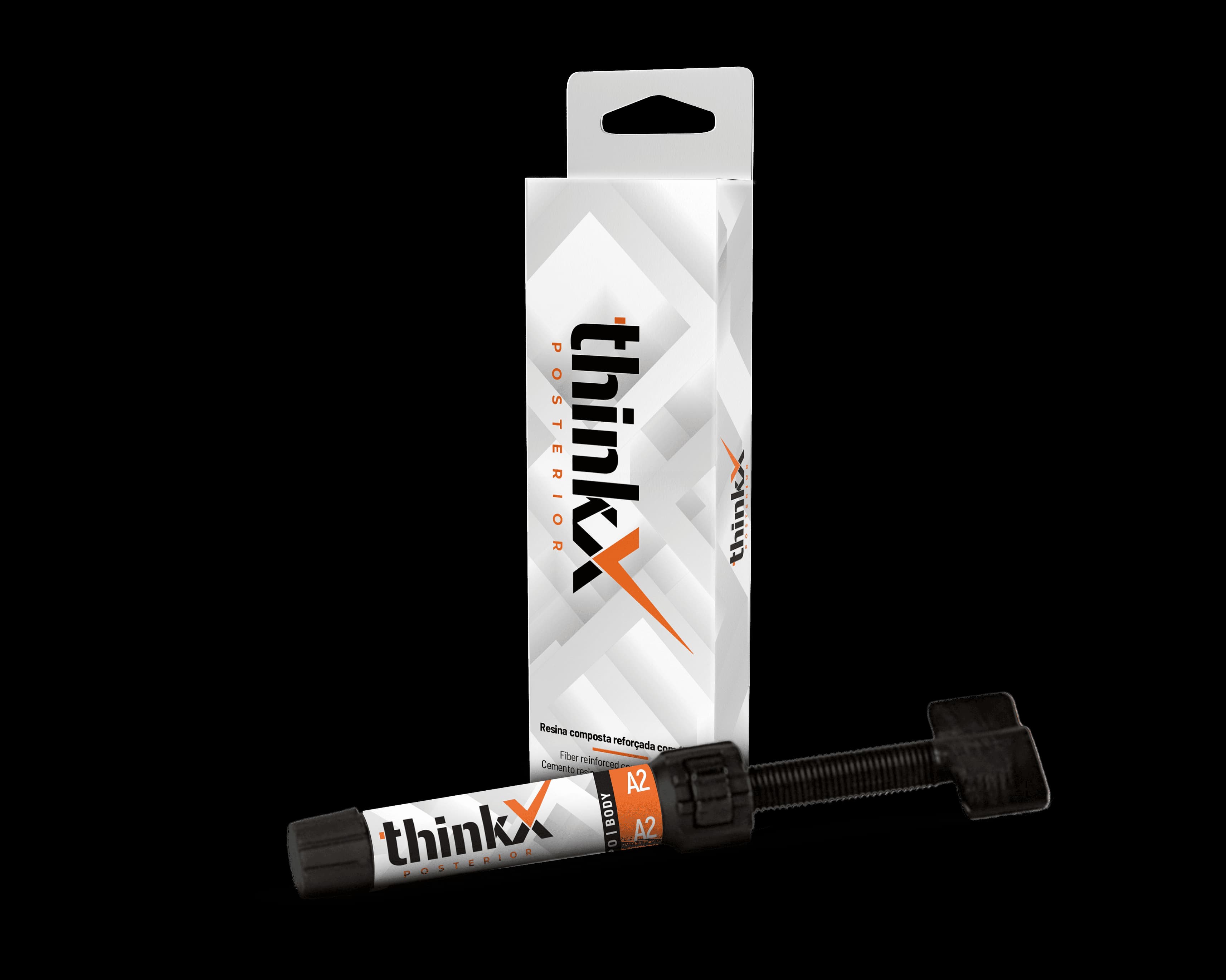
Figure 4a. ThinkX (Packable) - High Viscosity
High Viscosity
A high-viscosity resin with 80-85% filler load (w/w) and reinforcement of 10-15% E-glass fibers.
Ideal for volumetric reconstructions where condensation and sculpting of dentin anatomy are needed. Functions as a "condensable dentin" for larger volume reconstructions.
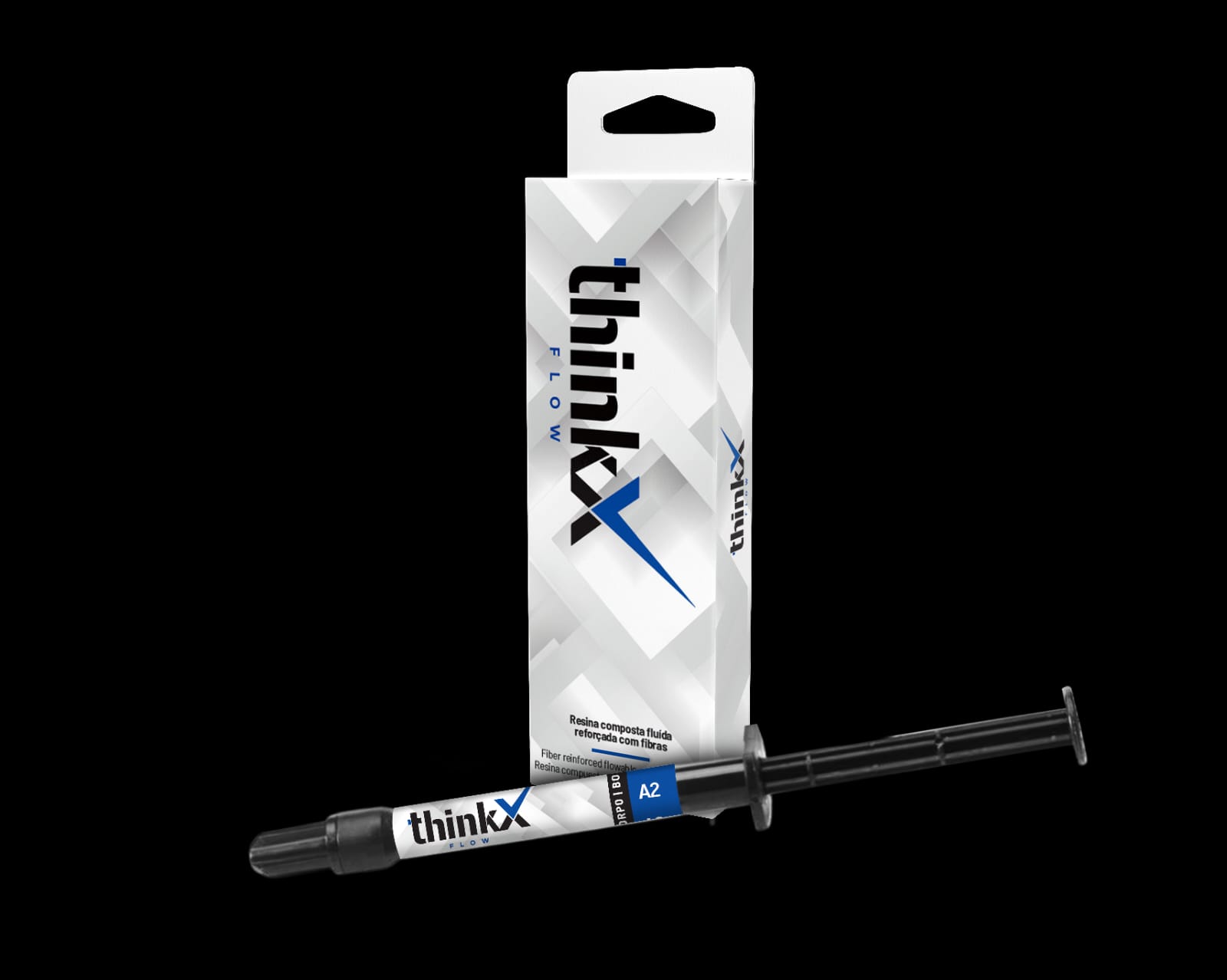
Figure 4b. ThinkX Flow - High Thixotropy
High Thixotropy
A highly thixotropic flowable version, containing 70-75% filler and a higher fiber concentration (20-25%).
The flowability allows intimate contact with cavity walls, being excellent for biobases, deep margin elevation (DME), and filling hard-to-reach areas. Acts as a "flowable dentin".
ThinkX and ThinkX Flow were formulated for situations where tooth survival depends on the material's ability to absorb and redistribute stresses:
Differentiator: Unlike traditional bulk fills, which prioritize only depth of cure, ThinkX is a real mechanical reinforcement material, designed to be the long-lasting infrastructure beneath the final enamel layer.
Core Technologies
The ThinkX line uses a matrix based on a balanced blend of Bis-GMA, UDMA, and TEGDMA, optimized to ensure a high Degree of Conversion (DC).
This matrix allows ideal fiber wettability, ensuring that each glass filament is completely enveloped by the polymer, minimizing water sorption and hydrolytic degradation.
The material uses silanized E-glass fibers with controlled geometry to maximize structural reinforcement.
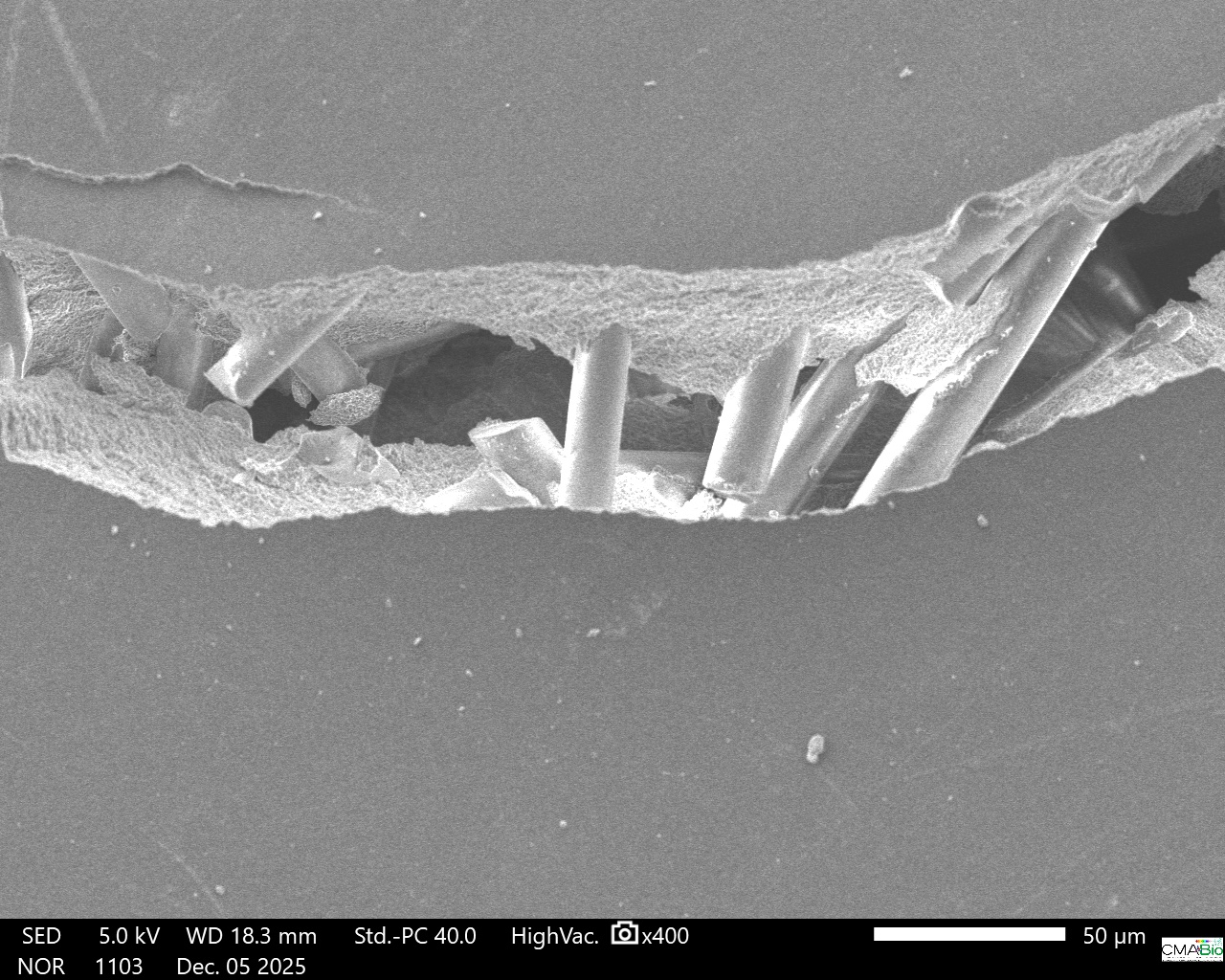
The integrity of the interface between the fiber and the resin matrix is the determining factor for the success of toughening mechanisms.
SEM analyses demonstrate a "clean" interface without gaps between the glass fiber and the resin matrix, proving the effectiveness of the surface treatment (Silanization).
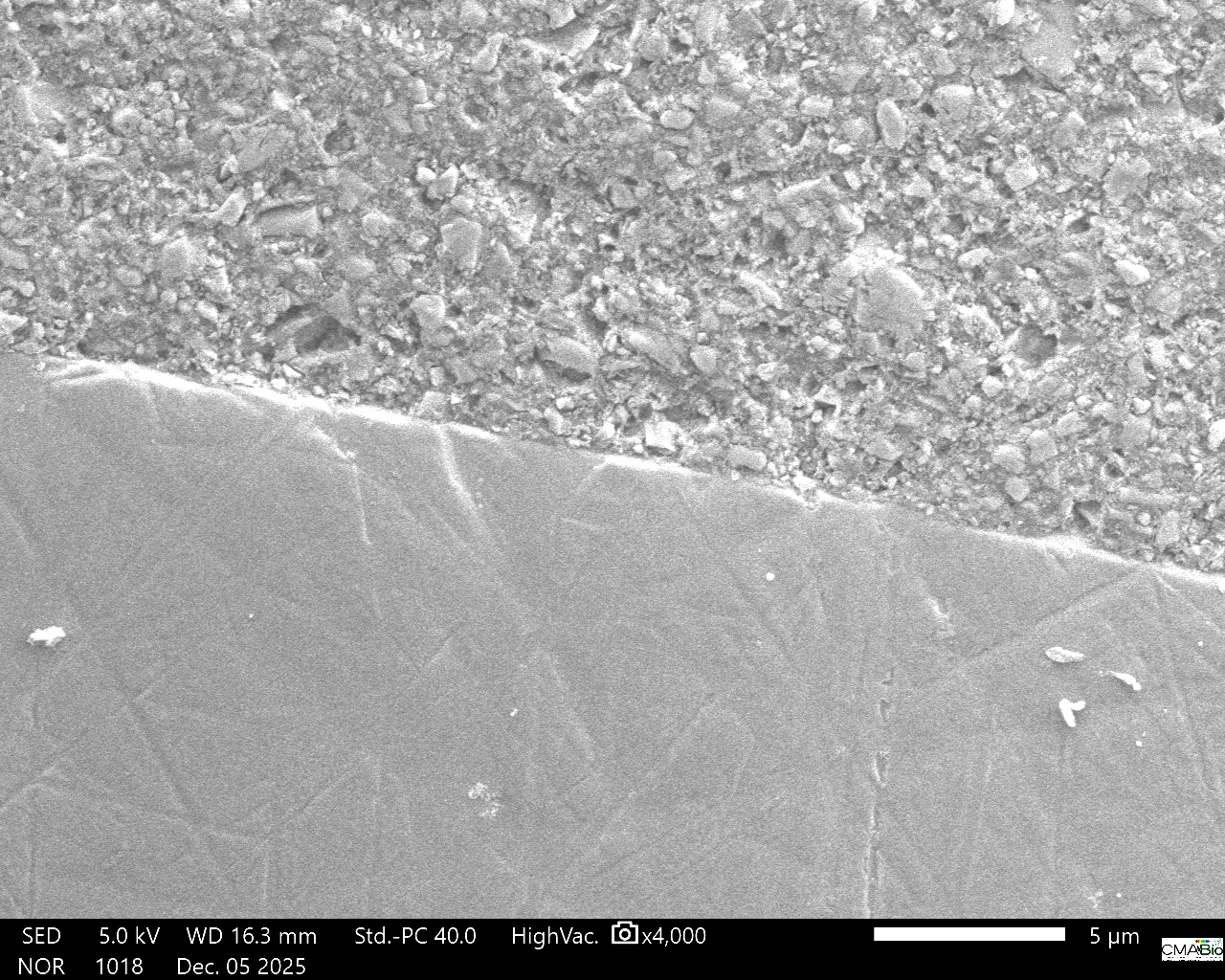
Validated by the UFAM Biomaterials Group and ICT-UNESP
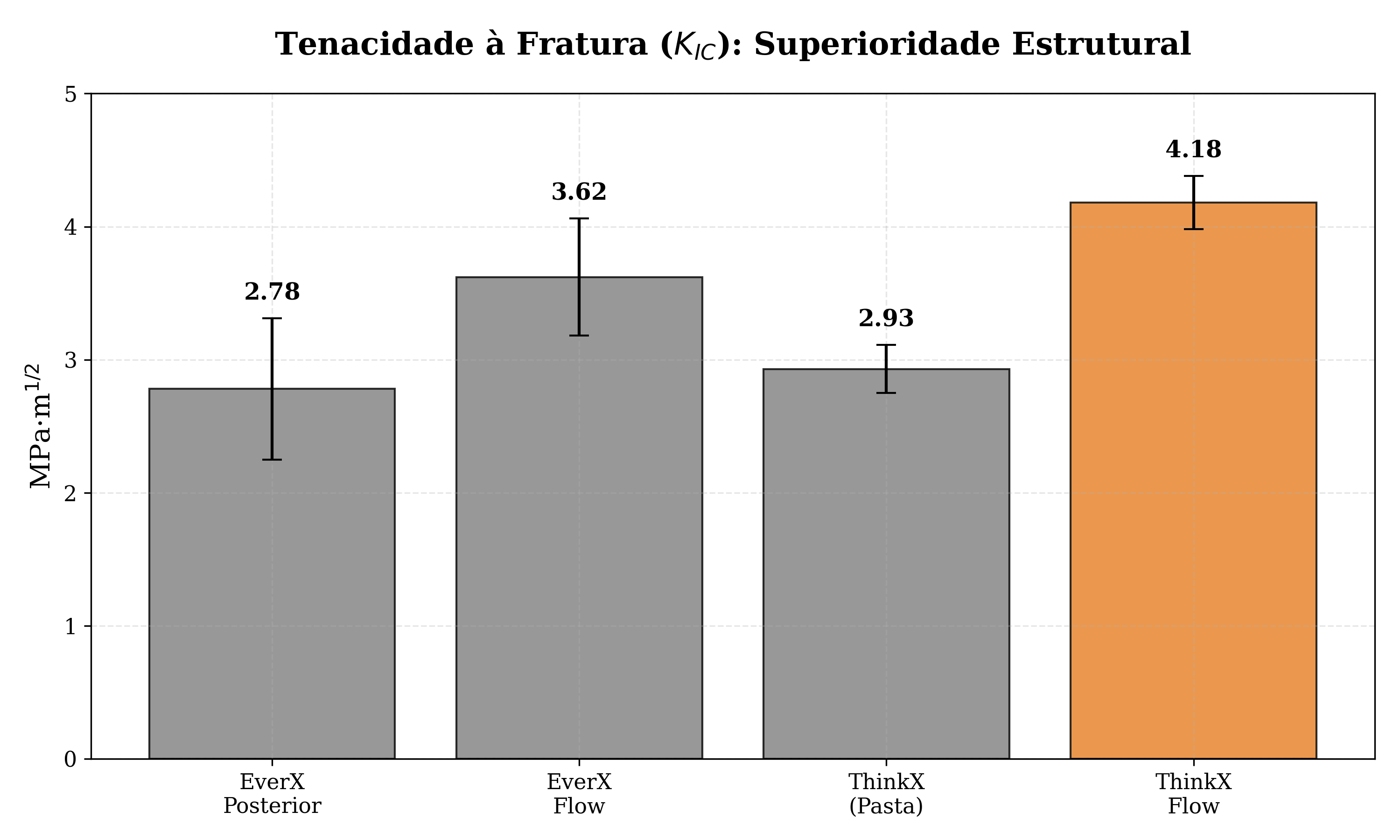
Fracture toughness is considered the most critical property for fiber-reinforced composites, as it quantifies the material's ability to arrest crack growth under load.
While conventional resins suffer brittle and rapid fractures, the ThinkX line exhibits elite performance, surpassing the leading global competitors.
This result indicates that the material is extremely effective in transforming what would be a catastrophic failure into safe mechanical behavior, preserving the underlying dental structure.
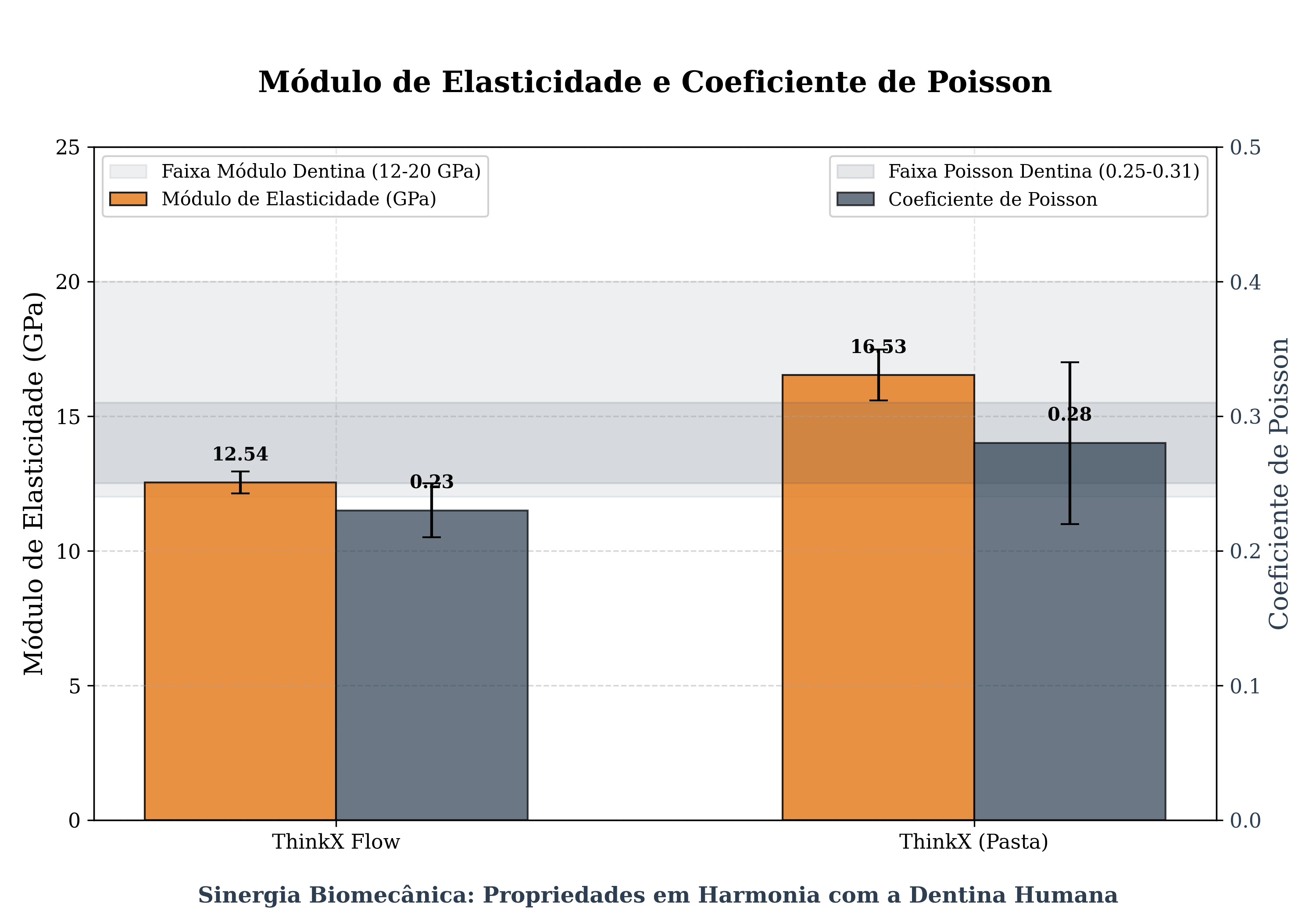
For a material to function as a dentin substitute, its stiffness and lateral deformation behavior must be similar to the natural tissue.
Elastic Modulus: Both materials are within the "Gold Range" of human dentin (12-20 GPa), with ThinkX Flow (12.54 GPa) and ThinkX (16.53 GPa).
Poisson's Ratio: The values of 0.23 and 0.28 are in harmony with the biological range of dentin (0.25-0.31).
This combination reduces the risk of interface fatigue and cusp deflection, consolidating ThinkX as a superior functional dentin substitute.
The great differentiator of ThinkX Flow is its homogeneity. The low variation in results (reduced standard deviation) translates into superior clinical reliability, ensuring predictable performance without internal weak points.
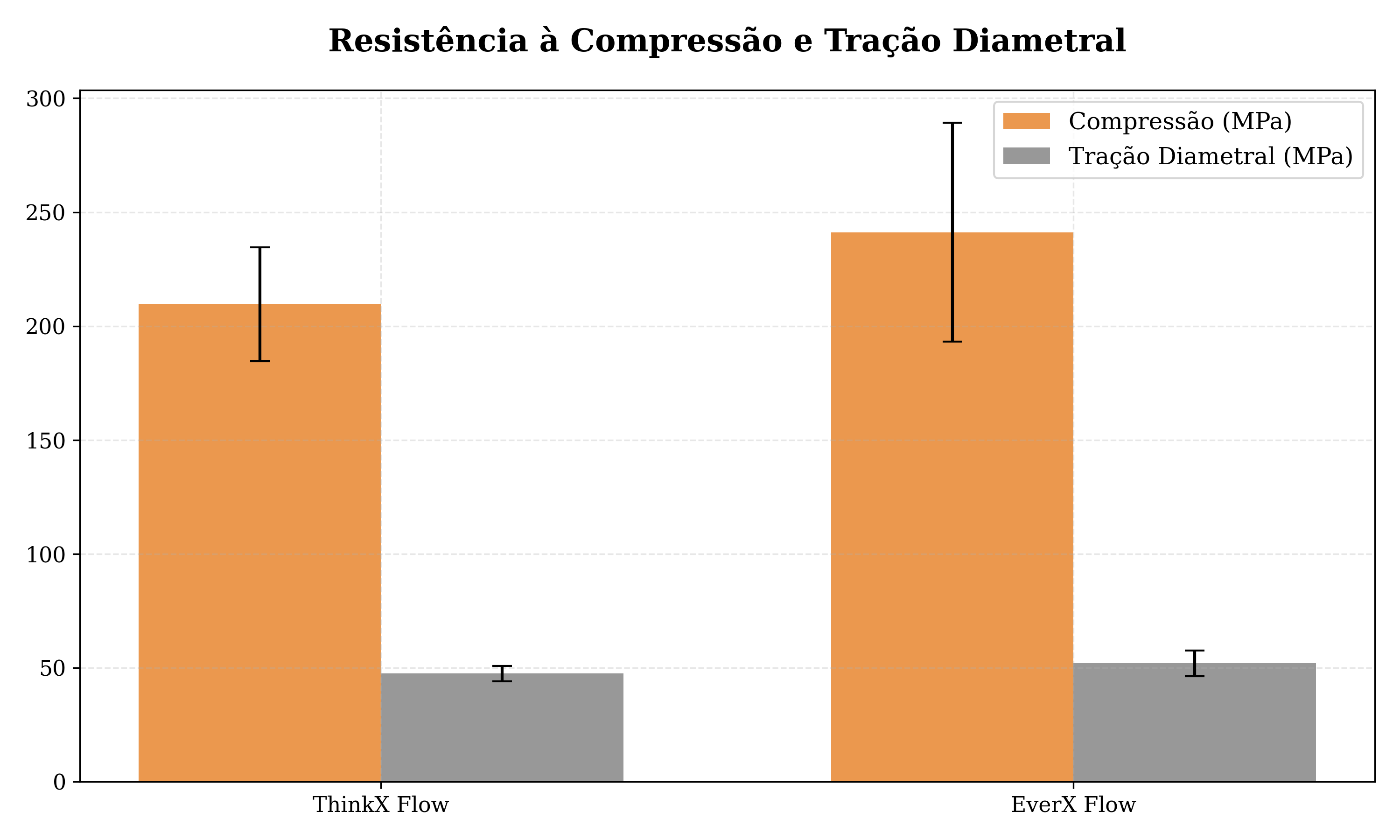
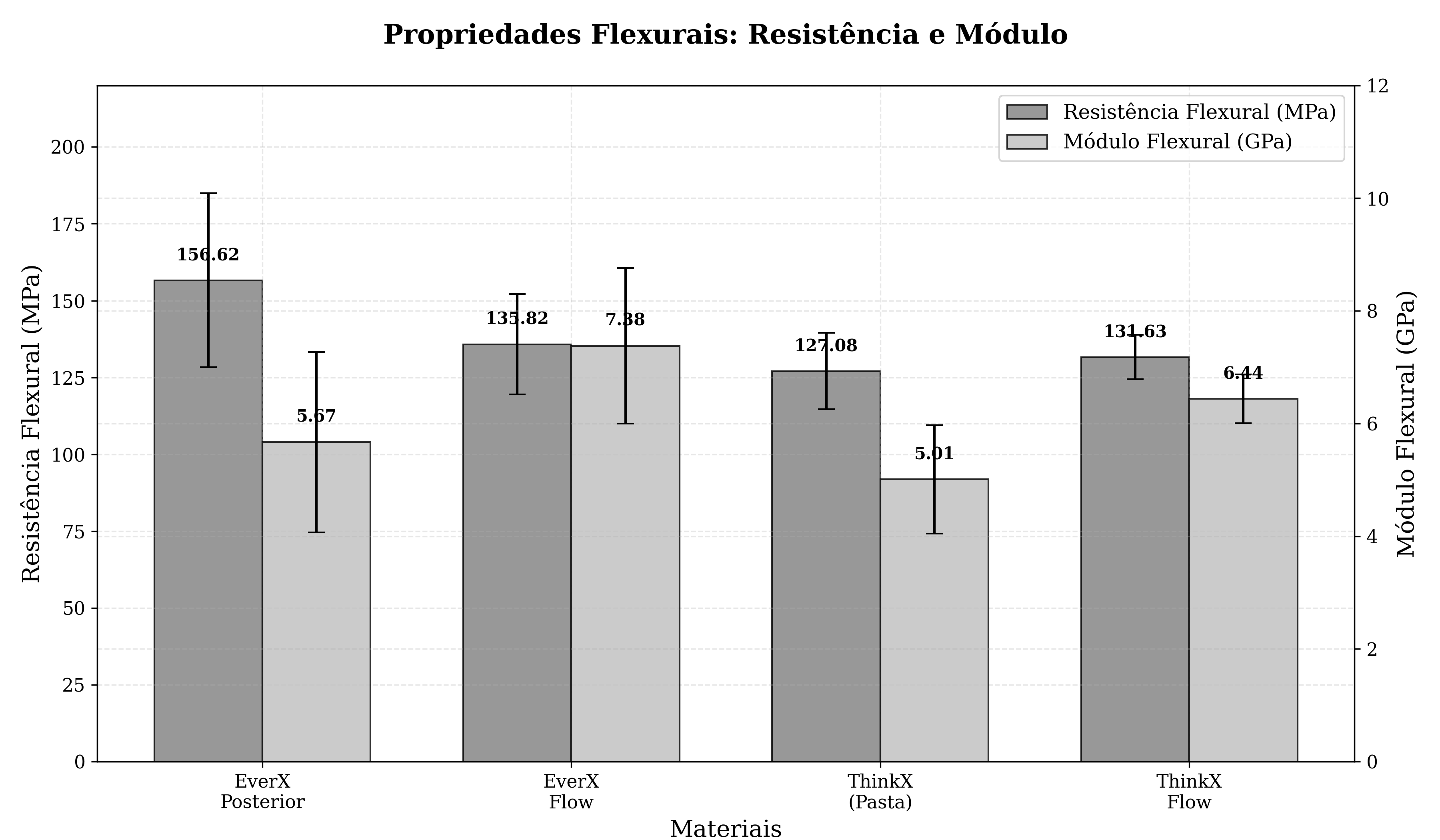
Flexural strength is vital for restorations covering large areas or replacing cusps. The ThinkX line demonstrates an ideal balance between flexural strength and modulus, offering robustness and resilience.
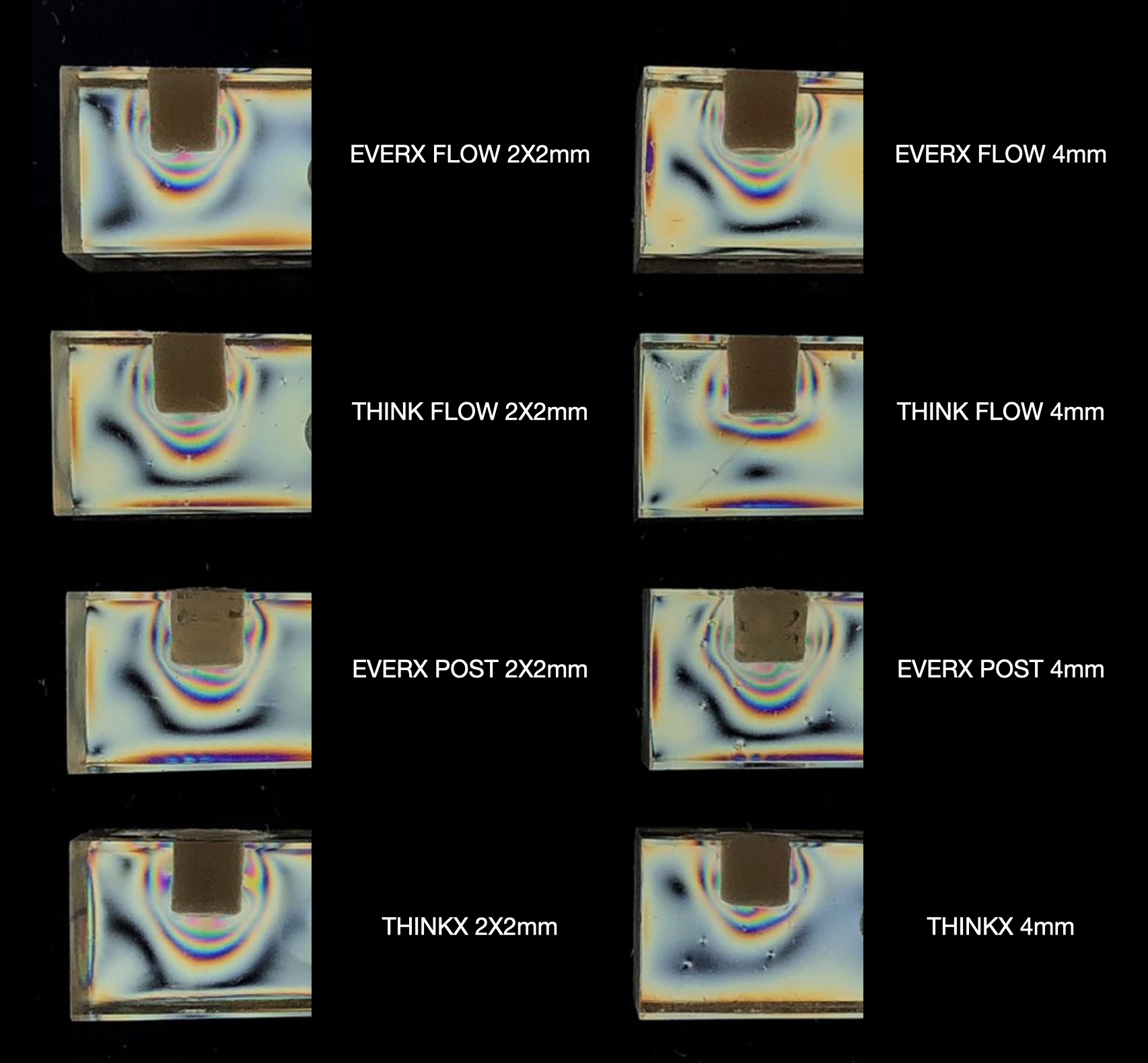
The failure of many extensive restorations begins during polymerization. When the material contracts excessively, it "pulls" the tooth walls, generating microgaps, post-operative sensitivity, and even enamel cracks.
In photoelasticity studies conducted by Prof. Paulo Moriya, ThinkX demonstrated exemplary behavior.
The fiber network acts as an internal scaffold, "breaking" the continuity of the resin matrix contraction and protecting the integrity of weakened cavity walls.
The ThinkX line presents depth of cure greater than 5mm, exceeding the requirements of ISO 4049 standard and ensuring clinical safety in deep cavities.
| Material | DOC (ISO 4049) |
|---|---|
| ThinkX | 5.11 mm |
| EverX | 5.8 mm |
| ThinkX Flow | 5.19 mm |
| EverX Flow | 4.45 mm |
Note: Maximum 2mm increments are recommended to control contraction stress.
The ThinkX line presents superior radiopacity levels, exceeding the requirements of ISO 4049 standard and allowing precise visualization in radiographic examinations.
| Material | Radiopacity |
|---|---|
| ThinkX | 230% |
| EverX | 232.5% |
| ThinkX Flow | 188% |
| EverX Flow | 166% |
Note: ISO 4049 requires minimum radiopacity of 100% (equivalent to 1mm of aluminum).
Operational Intelligence: optimized rheological and optical properties
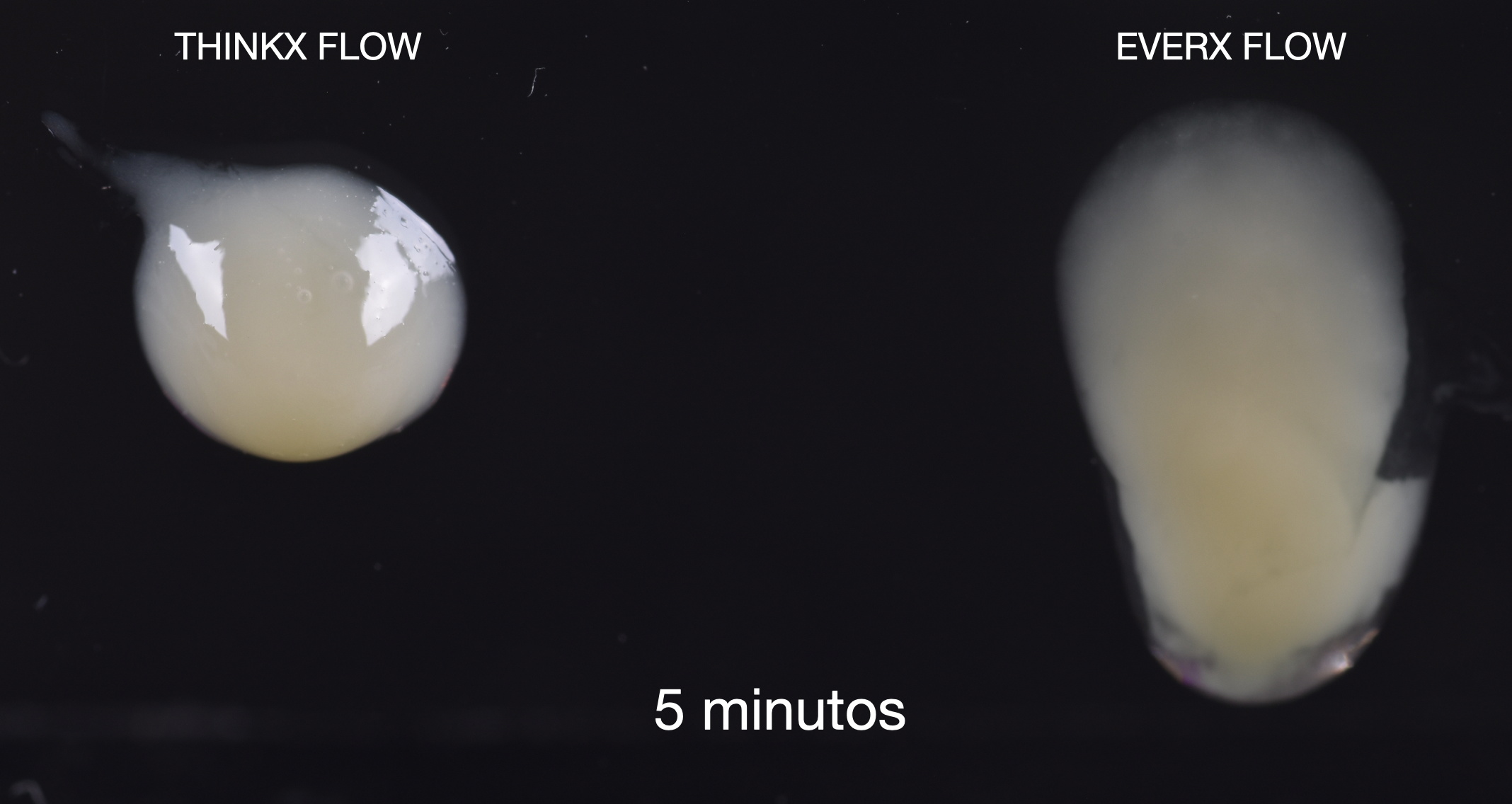
ThinkX Flow utilizes advanced thixotropy: the material flows under pressure (during application) but stabilizes immediately after insertion. Allows filling complex cavities or performing DME without the material invading undesired areas.
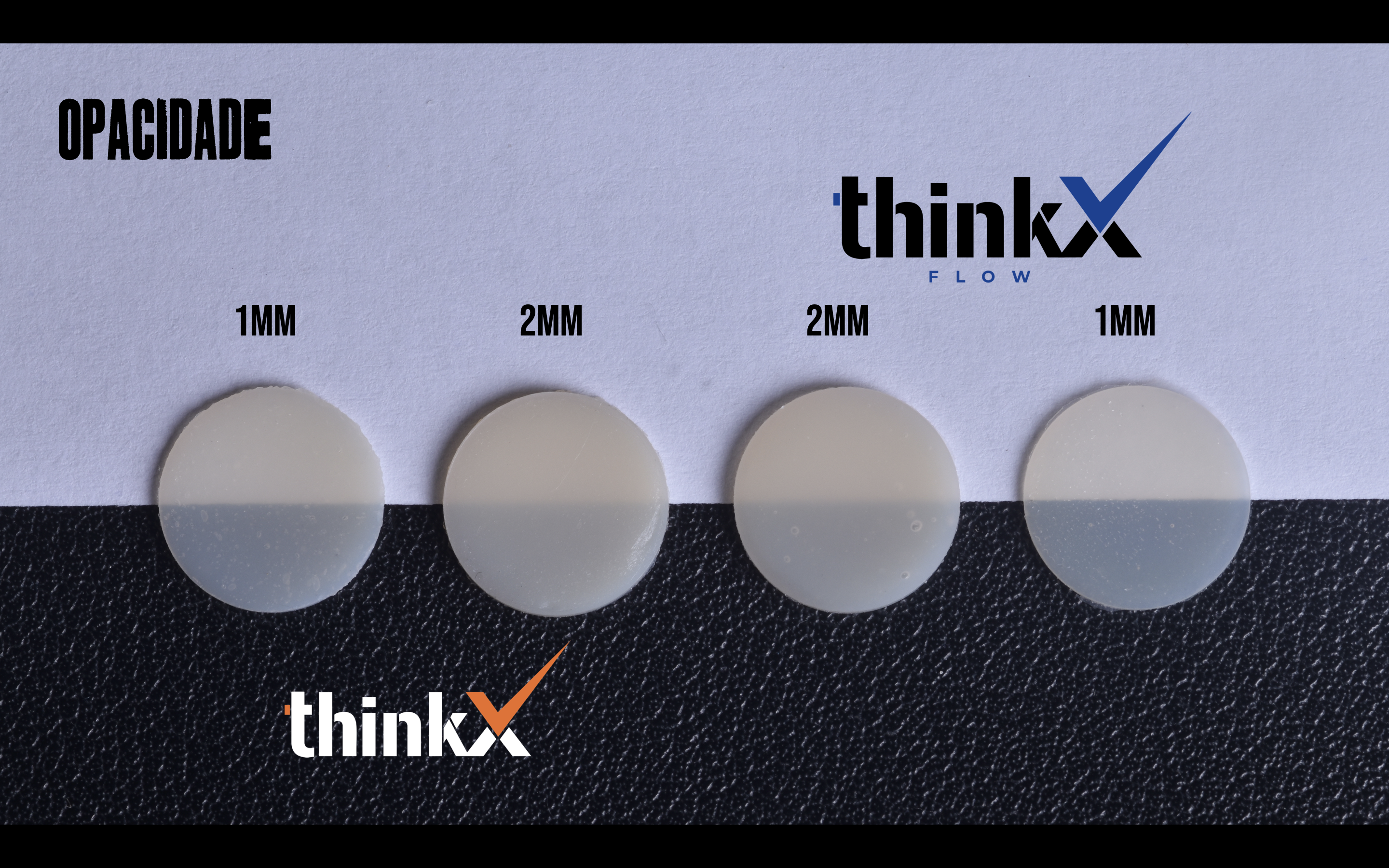
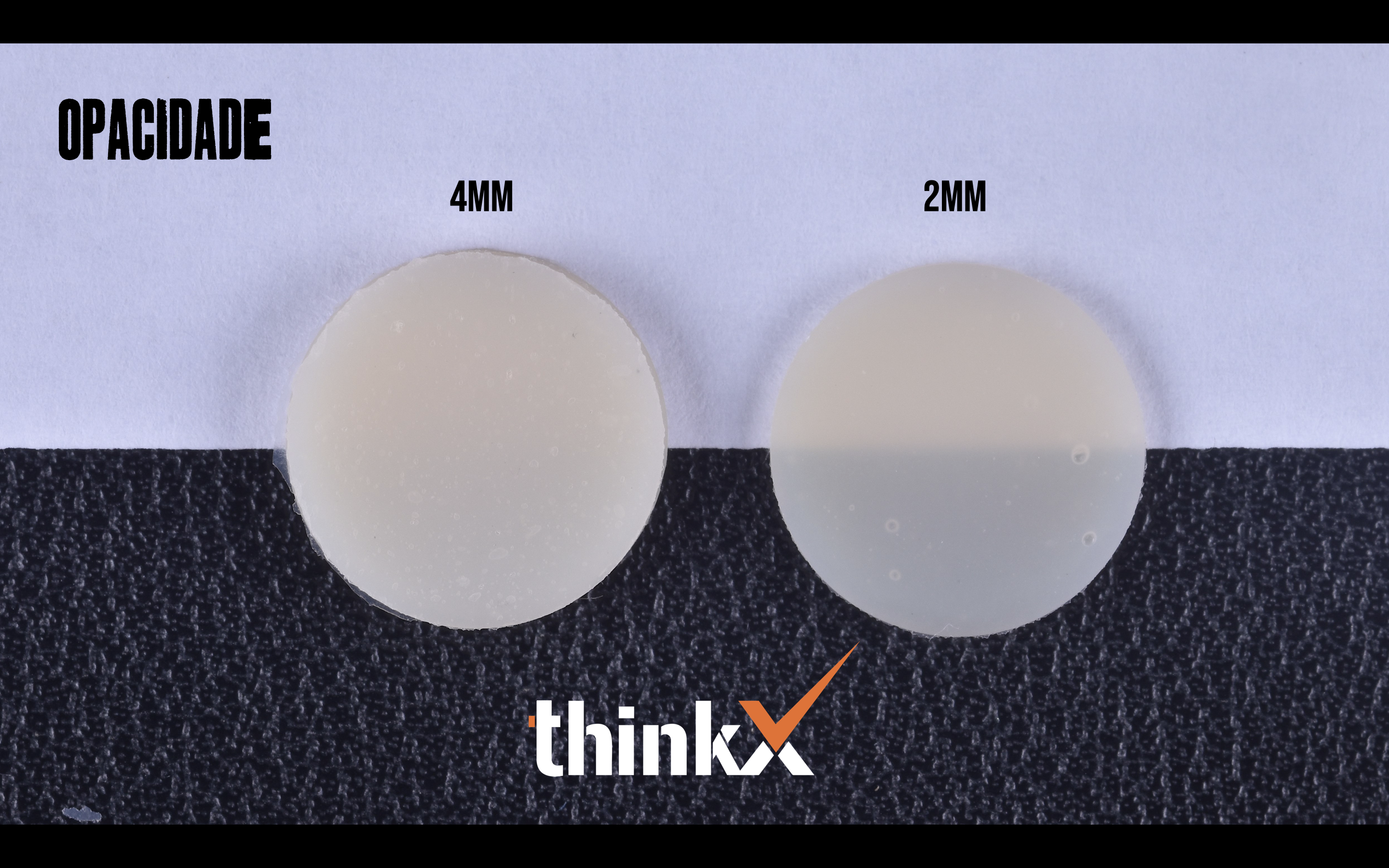
The ThinkX line has a calibrated opacity to block chromatic interference from darkened backgrounds. Starting at 2mm, the material neutralizes the high-contrast background, and with 3-4mm we achieve complete masking.
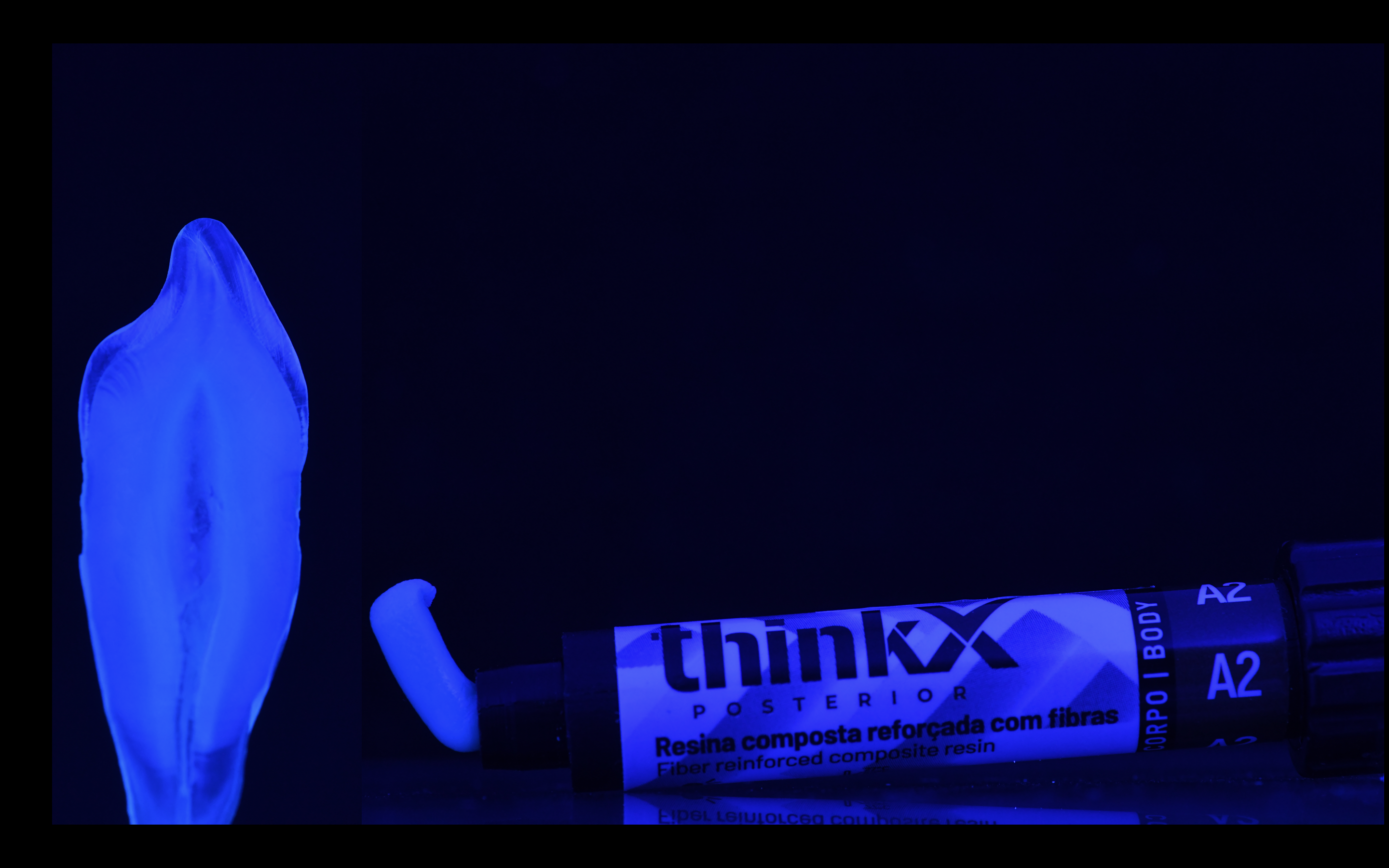
ThinkX incorporates fluorescent pigments that mimic the glow of human dentin under UV light. Ensures that the restoration does not "disappear" or present an artificially opaque appearance under different lighting conditions.
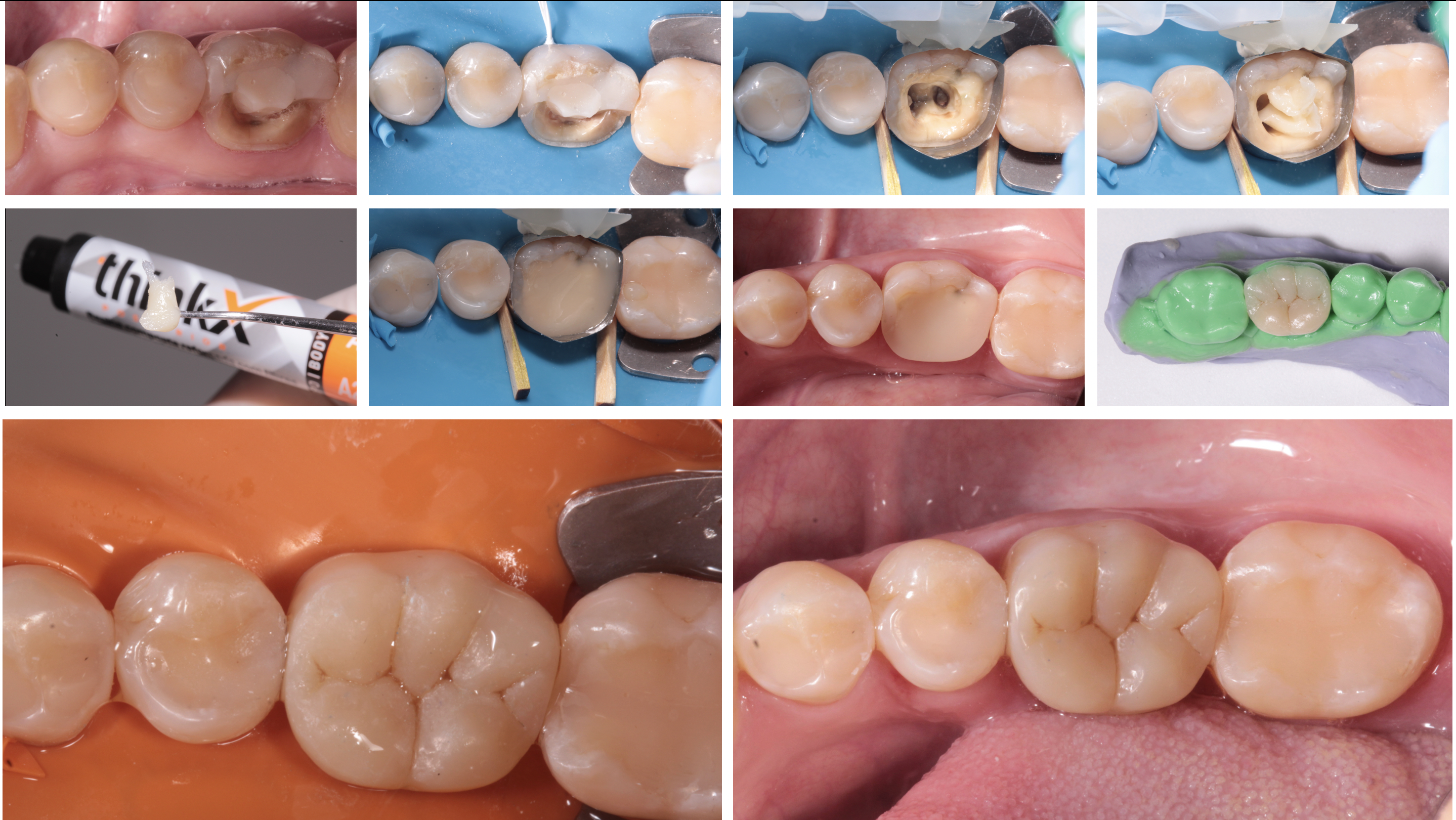
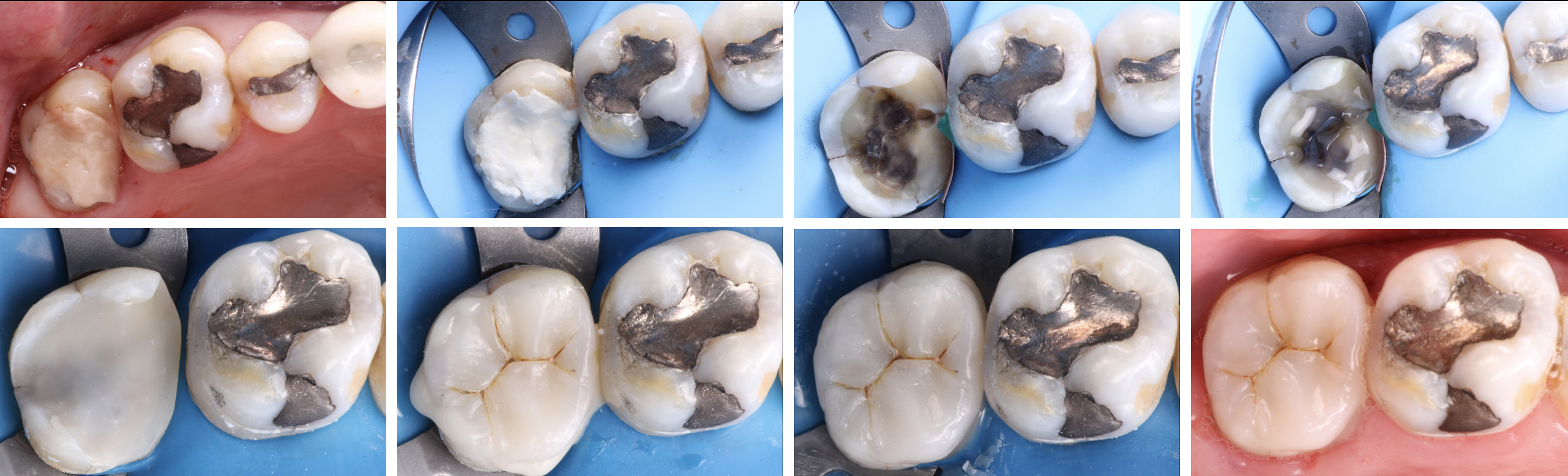
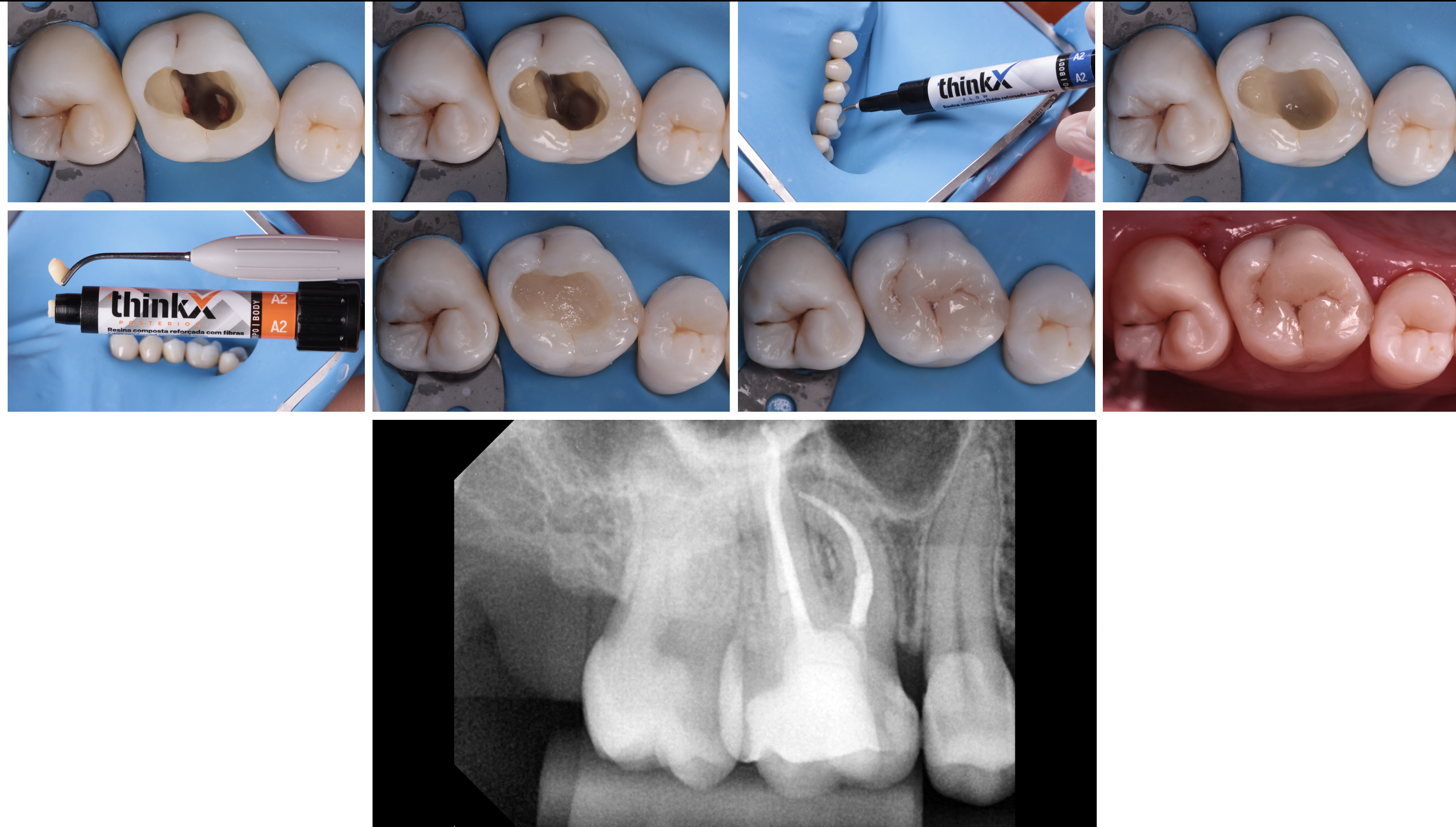
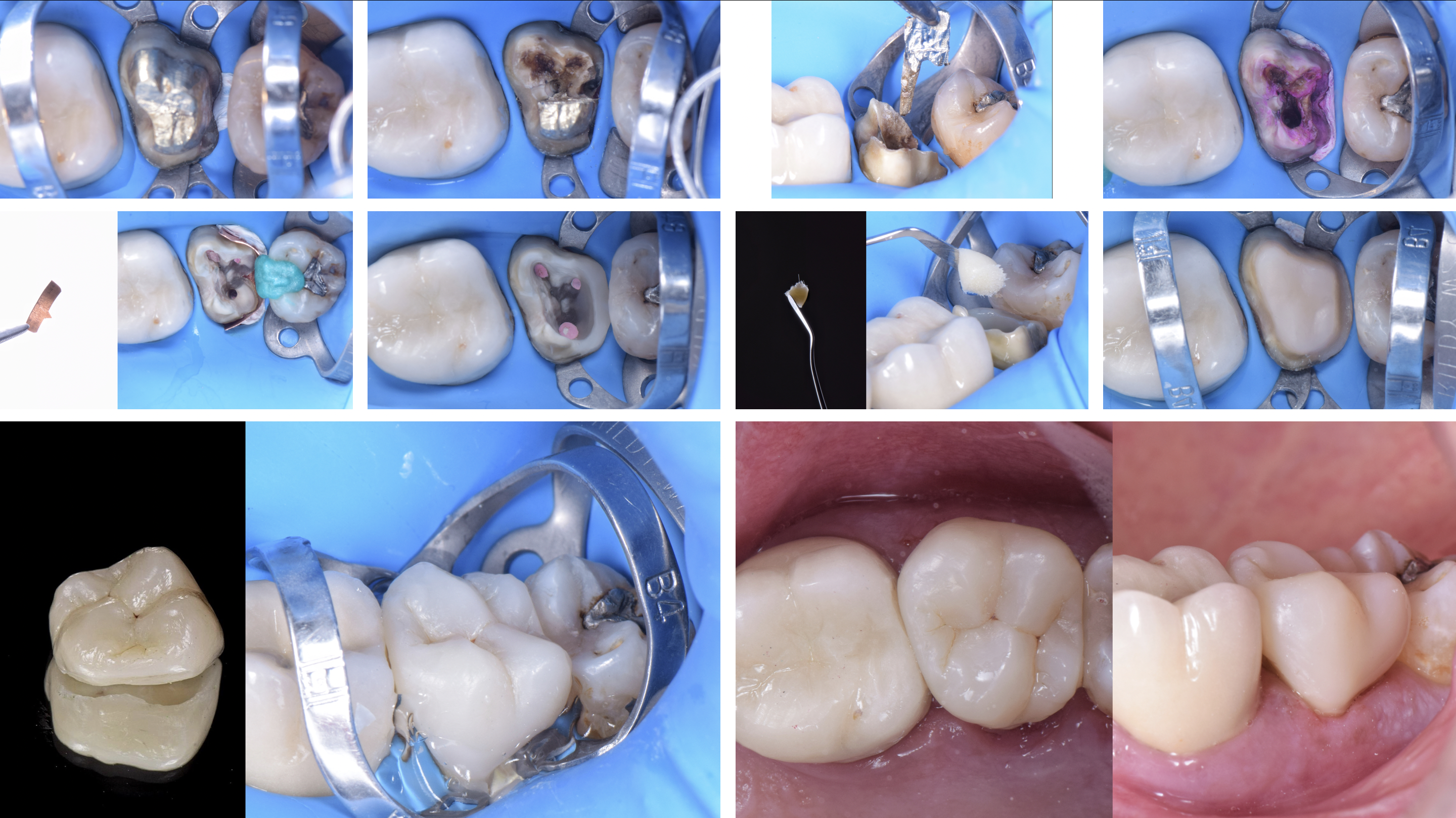
Structural Reinforcement Protocol — Applicable to direct, semi-direct, and indirect restorations
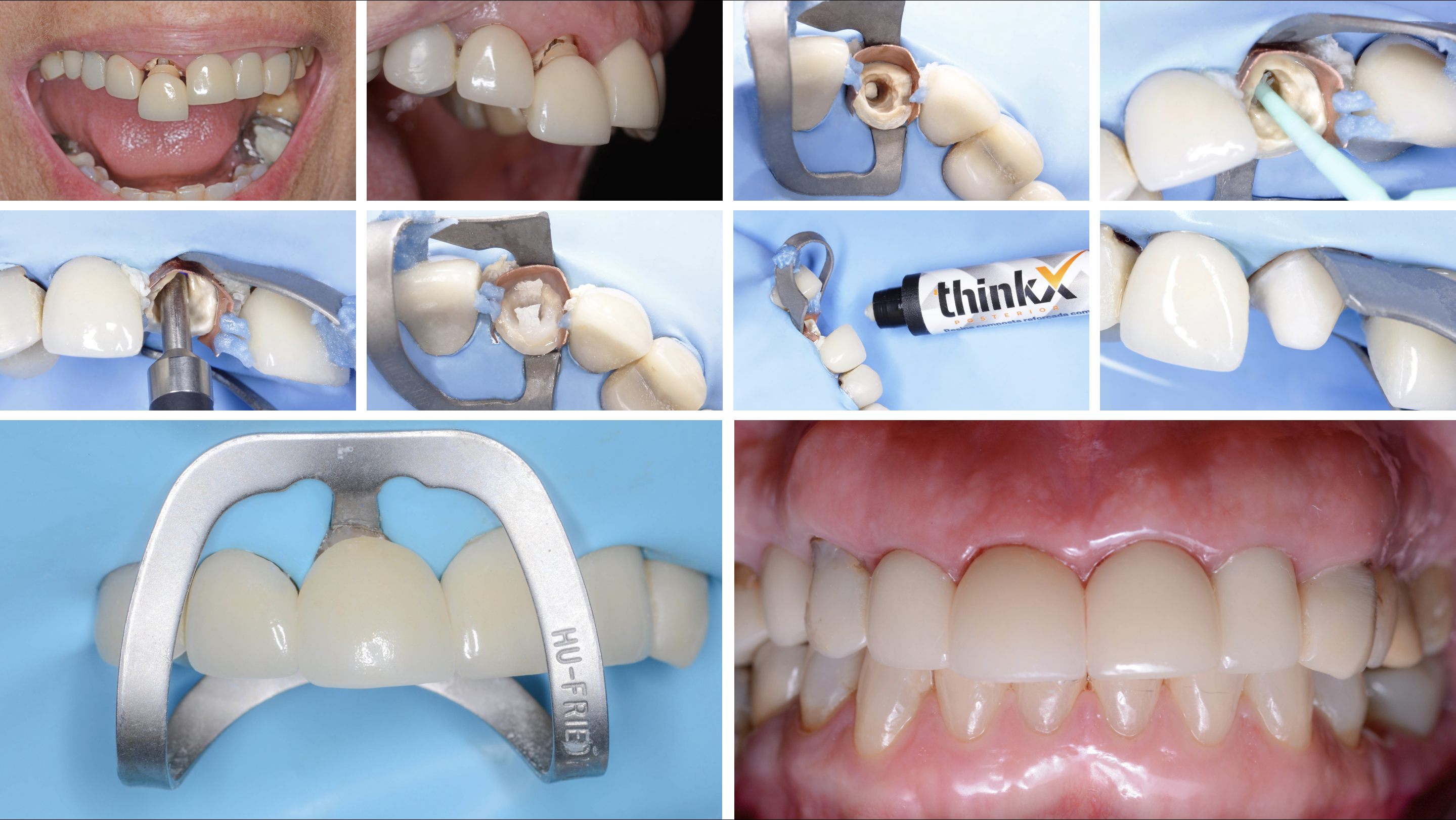
Metal post removal and semi-direct restoration fabrication
Biomaterials and Biomimetics Group
ICT - São José dos Campos
Campus Lagarto
Version: 2026.1 | Date: February 12, 2026